
Gun Cleaning Patches: Material, Size & Bulk
Patches are the highest-volume consumable in gun care and the easiest one to get wrong: too small and the patch never touches the grooves, too large and it wads at the jag shoulder or jams the rod. Three variables decide whether a patch SKU satisfies customers or generates complaints — the fibre, the weave, and the size. Here is how each one behaves, and how to specify a bulk cleaning patch order around them.
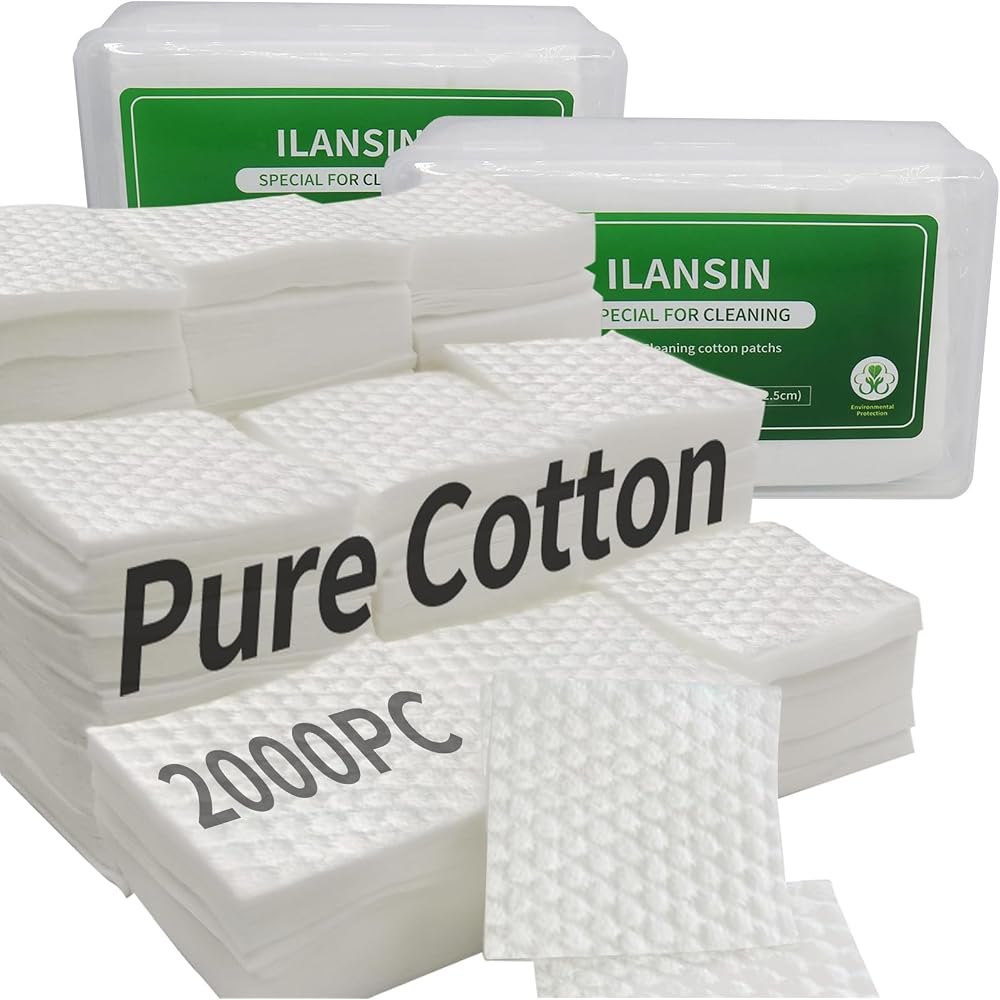
A tight, even weave with no loose surface fibre is what "lint-free" means in practice.
Fibre: why 100% cotton still wins the bore
Cotton remains the default for bore patches for two practical reasons. It absorbs — a synthetic patch moves solvent around rather than holding it, so a wet cotton patch actually delivers chemistry to the fouling instead of smearing it. And it is soft enough that it cannot score a bore, which is the same hardness argument that governs a brass jag.
Blends and non-wovens have their place — they are cheaper per piece, they lint less when they are made well, and they suit wiping down externals. But for a patch that has to be pushed through a rifled bore under pressure, a woven 100% cotton square is still what experienced shooters reach for, and it is the SKU that generates the fewest "it left fuzz in my barrel" reviews.
Weave and the lint-free claim
"Lint-free" is a claim worth testing rather than printing. Two failure modes matter: shedding, where loose fibre comes off the patch and stays in the bore, and sloughing, where the patch surface rolls into pills under solvent and pressure. Both come down to weave tightness and whether the cut edge is finished. A square that is die-cut cleanly and woven tightly enough to hold its edge will outperform a heavier but looser cloth every time.
If you are specifying a private-label patch, ask for a solvent soak-and-wipe test on the actual production lot, not on a lab sample. It takes two minutes, and it is the difference between a repeat order and a chargeback.
Size: matching the patch to the bore
The shop rule is that a patch folded over a slotted jag should fill the grooves without bunching at the shoulder — which in practice puts a square patch at roughly two to three times the bore diameter. That is why one square size serves a whole family of near-identical bores:
- 9mm / .357 / .375 / .38 — all sit within a few thousandths of each other, so a single 2″ square covers the entire family. This is our highest-volume size, and the one our 9mm cleaning guide is built around.
- .22 / .223 / 5.56mm — a markedly smaller bore, so a smaller square. See the 5.56mm bore cleaning guide.
- .40 / .45 and 12 gauge — step up again; the 12ga bore is large enough that a patch-and-jag pass is often replaced by a bore snake.
Oversizing is the more expensive mistake. A patch that is too big does not simply "clean more" — it can wedge, and a stuck rod in a bore is a gunsmith visit, not a cleaning session. When in doubt, size down and use two passes.
Bulk packaging and count
Count is a channel decision. Individual shooters buy in hundreds; ranges, gunsmiths and departmental armouries buy in thousands, and they care far more about packaging than about unit price, because a loose brick of patches in a range bag is unusable. A storage-case pack consistently outsells a bag of the same count at retail, and it is the format we recommend for a first private-label order.
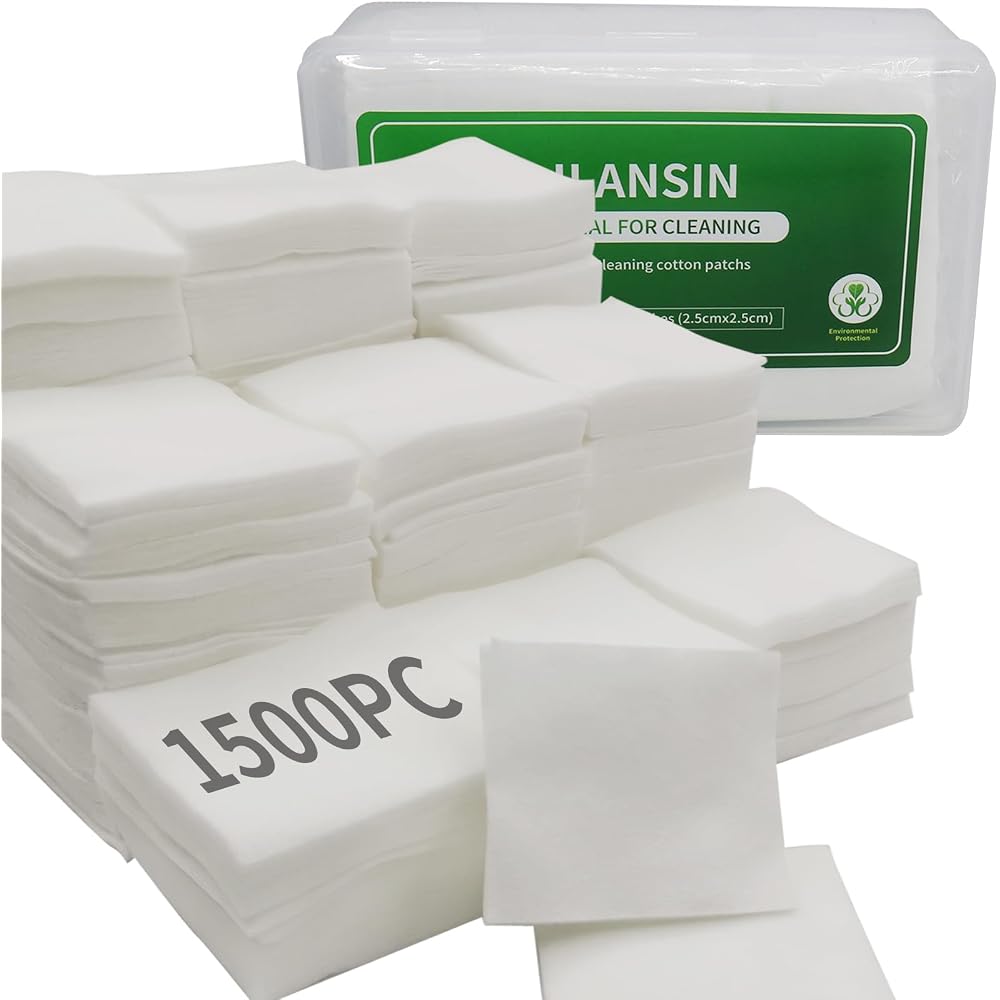
Bulk counts are only useful if the pack survives a range bag — packaging is the real spec.
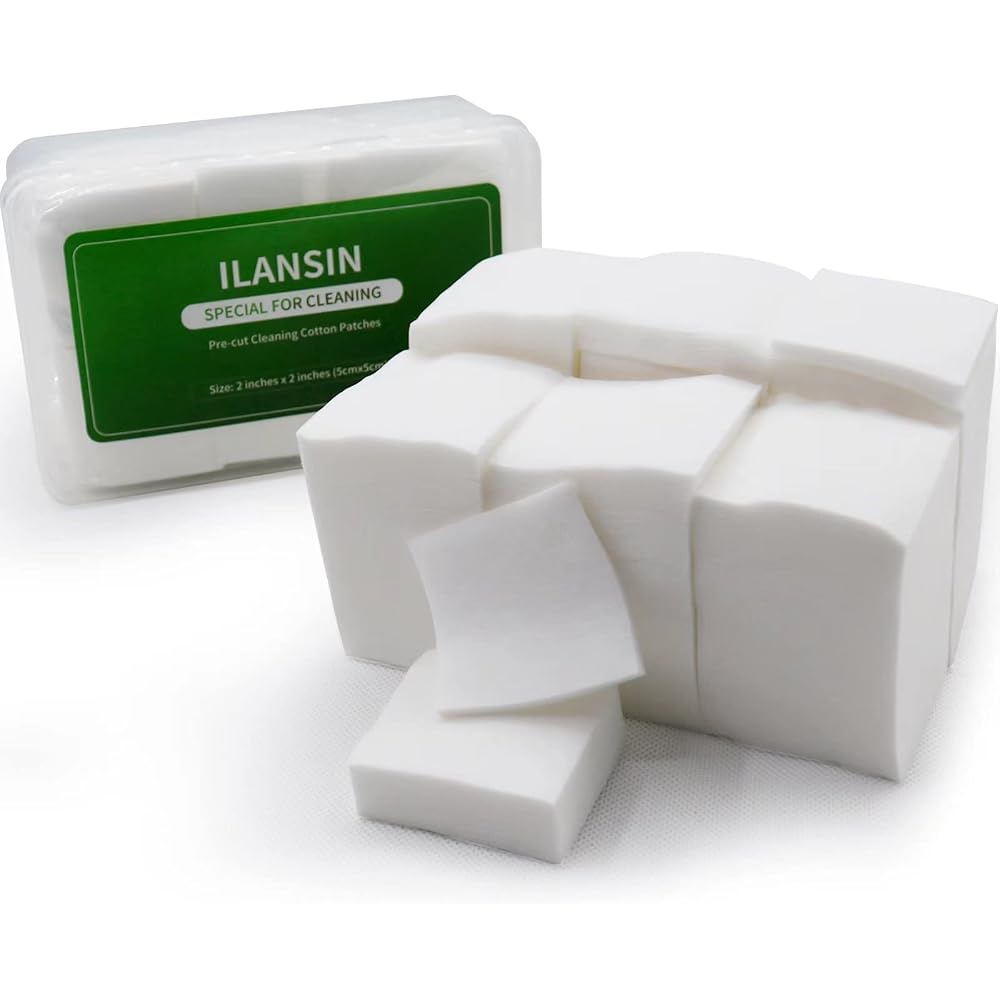
A storage case turns the same piece count into a retail-ready SKU.
Pair patches with the rest of the consumable set — precision swabs for chambers and actions, and a needle-oiler CLP — so a single carton covers the whole cleaning session.
Factory-direct, since 1980
Every product referenced here is made in our own plant and ships OEM or private label. MOQ is negotiable by SKU.
Sources
- SAAMI cartridge and chamber drawings — bore and groove diameters by caliber.
- Practical shop guidance: patch sizing by bore diameter, and the jam risk of oversizing.
- Related: How often to clean · Swabs, jags and brushes as a line.
Manufacturer guidance is quoted briefly and attributed above; comparisons and recommendations are our own summary as a cleaning-tools manufacturer. Always follow the owner's manual for your specific firearm and the label directions on any solvent. Cleaning chemicals and lead residue require ventilation, gloves and eye protection.
Related products
- ILANSIN 2000PCS Cotton Gun Cleaning Patches + 4 Bottles
- 1oz CLP+1000PCS Patches + 200PCS Pointed Swabs + 2PCS
- ILANSIN Gun Cleaning Patches+ Gun Cleaning Swabs+ CLP
- ILANSIN 1700PCS Gun Cleaning Supplies
- ILANSIN 1000PCS Patches + 200PCS Pointed Swabs + 2PCS
- 280 Gun Cleaning Wipes, 5inx7in CLP Gun Cleaner Lubricant