
How to Choose Brass Jags: 4 vs 10 vs 13 PCS
A jag is the one cleaning-rod tip that does its job by pressure rather than by scrubbing: it pins a patch flat against the bore so the whole circumference is wiped in a single pass. Brushes loosen fouling; jags carry it out. Choosing one comes down to four things that have nothing to do with marketing — the metal, the thread, the caliber match, and how many sizes your customers actually need. Here is how to work through them, and what our brass jag range looks like once you have.
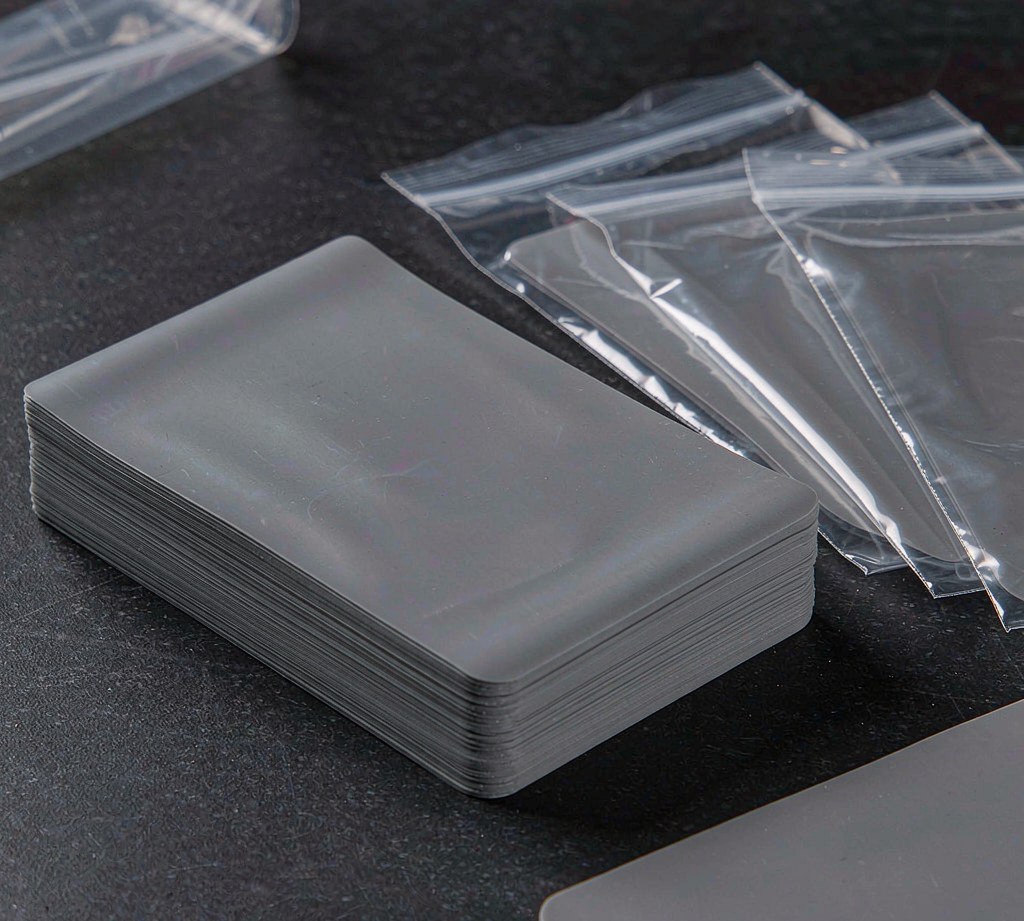
Same thread, different tips: the caliber is stamped on the shank because the tip diameter is the whole point.
What a jag does that a brush cannot
A bronze brush is a scraper. It fractures carbon and copper fouling so a solvent can reach it, but it does not remove much — it pushes debris ahead of it. A jag does the opposite: the patch is pierced or wrapped over the tip, and the tip's shoulder holds the cloth under even tension so it drags the full bore surface. That is why a correct jag-plus-patch pass is what turns a grey patch into a clean one, and why a jag that is even slightly undersized leaves streaks of fouling in the grooves.
There are two tip geometries. A slotted jag takes a patch threaded through the slot and wrapped back over the tip; a pointed (spear-tip) jag pierces the patch at its center. Slotted tips hold the cloth more securely and are the safer choice for a tight bore; pointed tips are quicker to load. Both work — what matters is that the patch fills the grooves without bunching at the shoulder.
Why brass, and why not steel
The rule is simply hardness: the jag must be softer than the barrel. Free-cutting brass (C36000) is specified by Diversified Bronze & Manufacturing at 55–78 Rockwell B, and the 416R stainless used for most rifle barrels is commonly quoted at 28–36 HRC — harder than brass by a wide margin. Brass therefore wears, the barrel does not.
Stainless-steel jags and brushes are the exception that proves it, and precision barrel makers are blunt about it: G.A. Precision's break-in and cleaning guidance lists stainless as an outright prohibition for bore work, alongside a warning that copper-removing solvents attack brass. If your customers run dedicated copper solvents, the compatible pairing is a nylon tip for those passes and brass for everything else — which is exactly why our brass sets are sold alongside nylon detail brushes rather than as a closed system.
The 8-32 thread question
Almost every cleaning rod and accessory sold in the US uses 8-32: a #8 machine screw, 32 threads per inch. It is the de facto interface between rods, jags, brushes and mops, and it is the single most common cause of returns when a private-label rod is built to a different spec. Before you commit to a jag assortment, confirm the rod thread — and if you are building your own rod line, 8-32 is the spec to standardise on because it is what your customer's existing tools already mate with.
Matching the jag to the caliber
A jag is sized to the bore, not to the cartridge name, which is why one tip serves several near-identical bores. A 9mm-class tip covers the whole 9mm / .357 / .375 / .38 family — those bores sit within a few thousandths of an inch of each other, so a single tip is correct for all four. Our 9mm pistol cleaning guide walks through that matching step in detail.
For a rifle the same logic applies in the other direction: 5.56mm / .223 shares a bore with every other .22-caliber centerfire, so a .22/5.56mm tip covers the AR owner, the .22 LR shooter and the varmint rifle alike.
What the set sizes mean for your shelf
Once the metal, thread and caliber are settled, the only remaining decision is breadth — and that is a channel question, not a product one:
- 4-piece sets cover one caliber family (.22 / 5.56mm, or .375, or .50). Right for gun-shop counters and single-caliber marketplace listings: low ticket, fast turnover, merchandised by caliber.
- 10-piece sets stay in one family but fill the in-between sizes serious shooters ask for. The middle SKU, and the one that most reduces "no tip for my bore" returns.
- 13-piece sets span .17 to .50 caliber in one box. This is the bench SKU for a serious shooter or a gunsmith, and the one that anchors a premium private-label launch.
A practical assortment carries a 4-piece in your top two calibers for turnover, and one full-caliber 13-piece kit for margin. Every tip we make is machined from solid brass rod — not cast, not plated — and stamped with its caliber on the shank so the right tip is identifiable on a crowded bench.
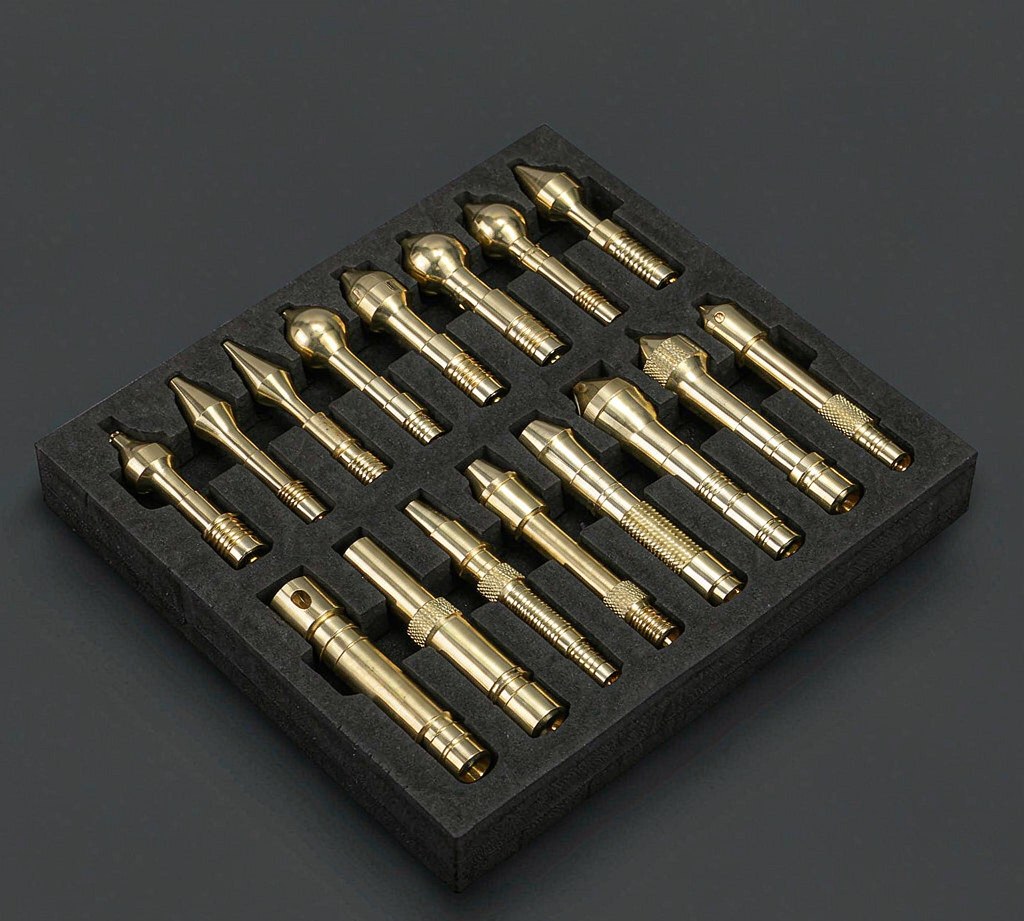
The patch is held under even pressure so the full bore surface is wiped in one pass.
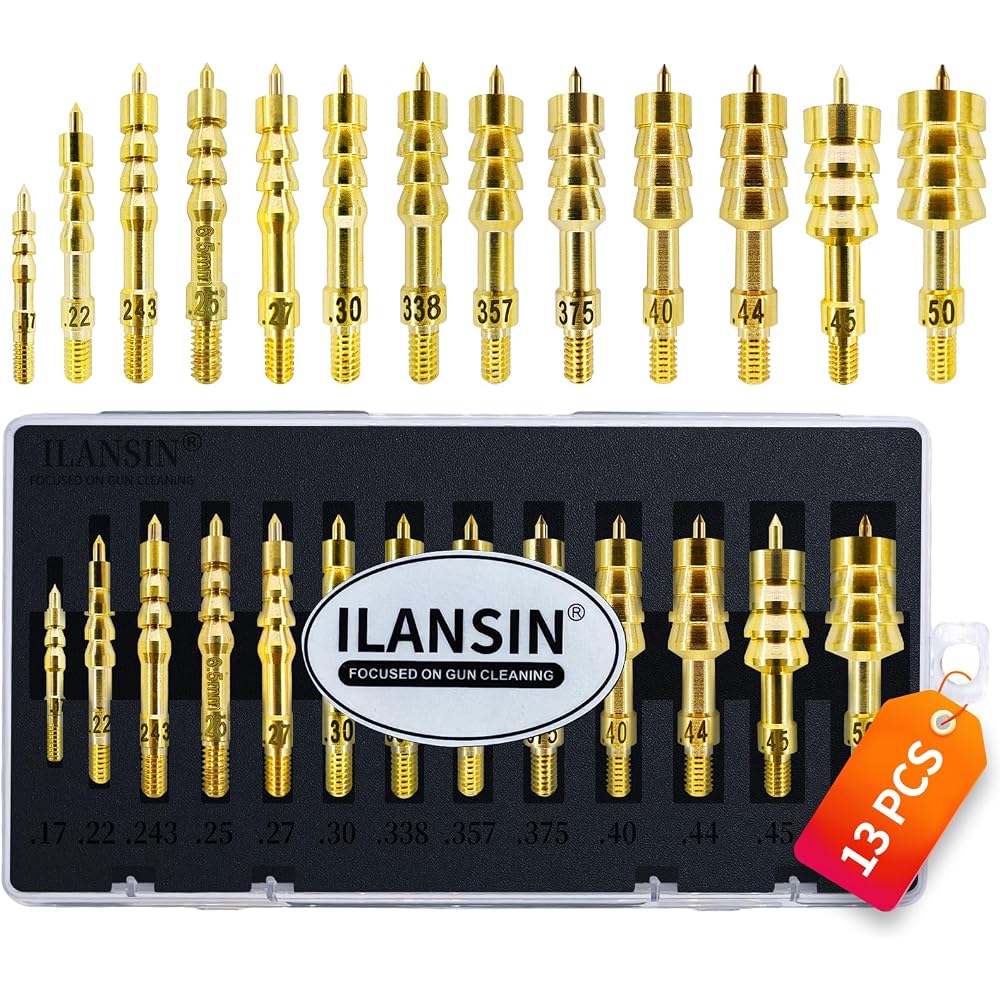
One thread standard, one metal, every caliber stamped on the shank.
Stock the jag and the consumable together — a jag without the right lint-free patches and a needle-oiler CLP is an incomplete kit on the customer's bench.
Factory-direct, since 1980
Every product referenced here is made in our own plant and ships OEM or private label. MOQ is negotiable by SKU.
Sources
- Diversified Bronze & Manufacturing — C36000 free-cutting brass technical data (55–78 HRB).
- Montana AR15 barrel steel FAQ — 416R stainless, 28–36 HRC.
- G.A. Precision barrel break-in & cleaning guidance — stainless prohibited in bores; copper solvents attack brass.
- Related: Brass vs nylon jags · Swabs, jags and brushes as a line.
Manufacturer guidance is quoted briefly and attributed above; comparisons and recommendations are our own summary as a cleaning-tools manufacturer. Always follow the owner's manual for your specific firearm and the label directions on any solvent. Cleaning chemicals and lead residue require ventilation, gloves and eye protection.
Related products
- ILANSIN 10PCS Solid Brass Gun Cleaning Jags Supplies
- ILANSIN 10PCS Solid Brass Gun Cleaning Jags Supplies
- ILANSIN 10PCS Solid Brass Gun Cleaning Jags Supplies
- ILANSIN 4PCS Solid Brass Gun Cleaning Jags Supplies