
Swabs, Jags & Brushes: Build a Gun Care Line
Swabs, jags and brushes look like three unrelated SKUs on a shelf, but they are really three stages of the same job: loosen, carry out, and detail. Buyers who stock them as a system outsell buyers who stock them as singles, because the customer who came in for patches is one aisle away from the brush and jag that make the patches work. Below is what each family actually does, which material belongs where, and the one combination that will damage a bore.
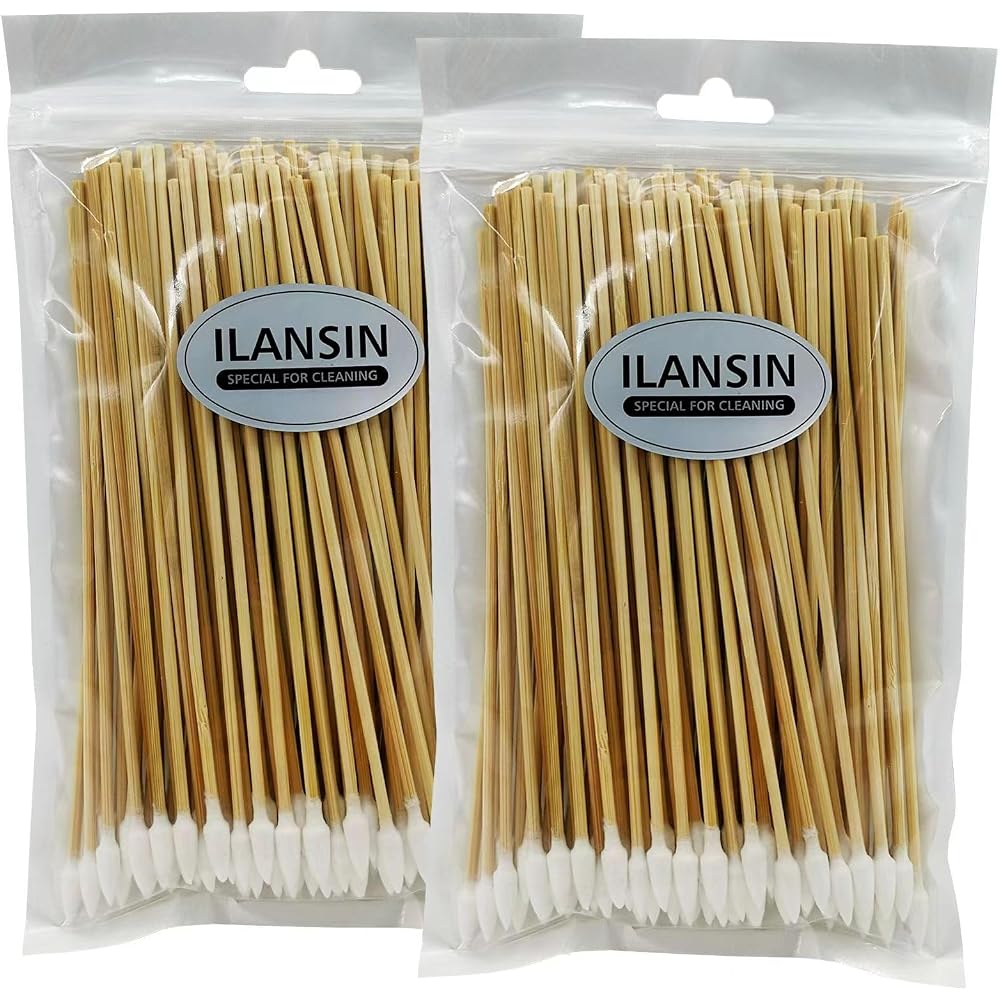
Detail work — chambers, bolt faces, slide rails — is where swabs earn their keep.
Brushes: the loosening stage
A bore brush is a scraper. Its job is to fracture carbon and copper fouling so solvent can reach it, and the bristle material is chosen for what it will not damage:
- Bronze — the bore standard. Softer than barrel steel, stiff enough to break up carbon. This is the default for rifle and pistol bores.
- Nylon — chemically inert. This is the brush to use with aggressive solvents, including dedicated copper removers that attack brass and bronze.
- Stainless steel — for actions and external parts only. Precision barrel makers are unambiguous: G.A. Precision's cleaning guidance prohibits stainless in the bore outright. It is harder than the barrel and it will leave marks that no amount of patching removes.
Jags: the carrying-out stage
A jag is the only tip that removes fouling rather than redistributing it. It holds a patch flat under even pressure so the full bore circumference is wiped in one pass — which is why the jag, not the brush, is what finally produces a clean patch. Brass is the material of choice here for the same hardness reason, and 8-32 is the thread standard every rod on the US market is built around.
One note worth putting on your own packaging: the caliber is stamped on the shank of each of our brass jags. It sounds minor, but on a bench with four rods and a dozen tips it is the difference between grabbing the right one and forcing the wrong one into a bore.
Swabs: the detail stage
Swabs do what neither a brush nor a jag can: they reach the places a rod cannot — chamber mouths, bolt lugs, slide rails, gas keys, trigger groups. Two specs matter. Tip shape (pointed for tight corners, blunt for flat surfaces) and length (6-inch handles reach into an AR receiver; short handles are for pistols). Cotton tips are the default because they hold solvent and do not shed under it; our 200-piece pointed swabs and 500-piece precision swabs cover both geometries.
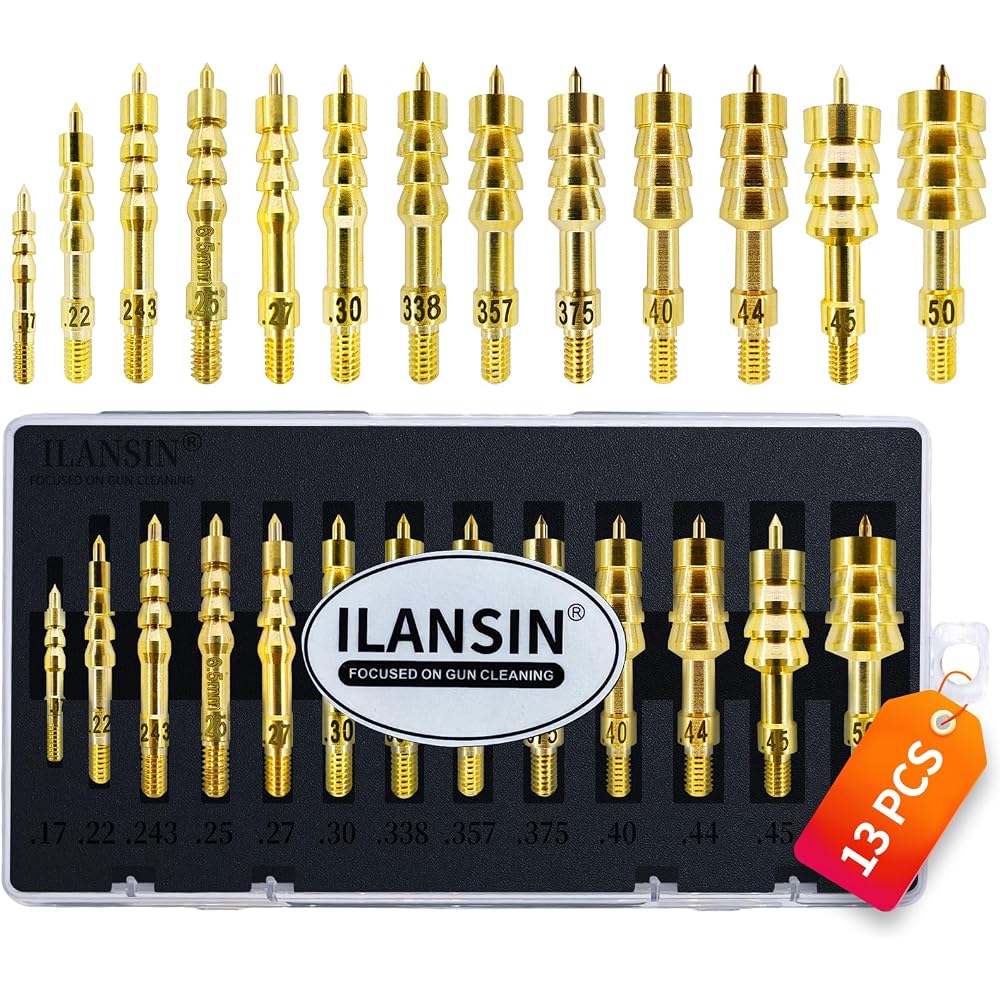
The carrying-out stage: one tip per caliber family, all on the 8-32 standard.
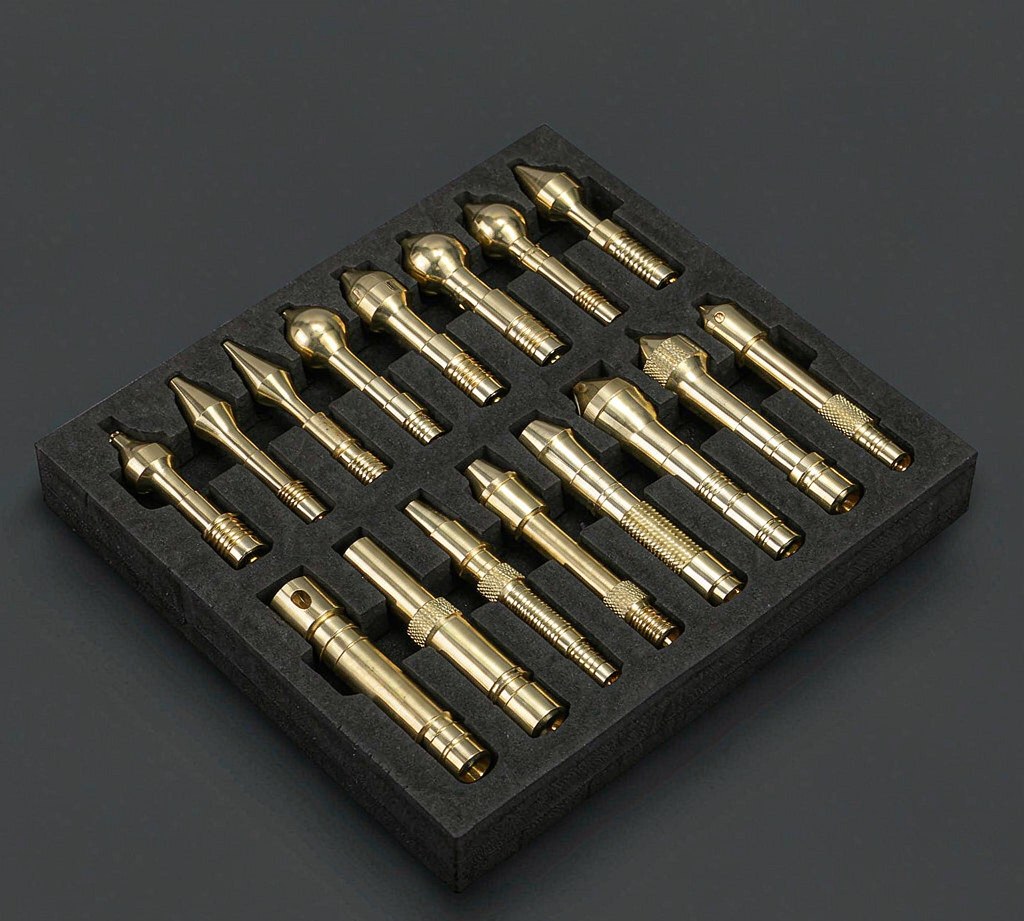
Loosen with a brush, carry out with a jag, detail with a swab — three stages, one session.
How to build the line
Think in sessions, not SKUs. A customer cleaning one handgun needs: a bronze brush in the right caliber, a brass jag in the right caliber, patches, a solvent, and something to wipe the frame with. Our 9mm pistol kits bundle exactly that, and they are the fastest way to test which pieces your market actually reorders — then you backfill the consumables (patches, CLP) at far better margin than the kit itself.
If you are assembling a private-label accessories line, start with the caliber you already sell most of and add outward. A .22/5.56mm and a 9mm/.357/.375/.38 coverage pair will service the majority of first-time buyers; the long tail (.17, .338, .50) is margin, not volume, and belongs in a full-caliber set.
Factory-direct, since 1980
Every product referenced here is made in our own plant and ships OEM or private label. MOQ is negotiable by SKU.
Sources
- G.A. Precision barrel break-in & cleaning guidance — stainless prohibited in bores; copper solvents attack brass and bronze.
- Diversified Bronze & Manufacturing — C36000 brass hardness data (55–78 HRB).
- Related: Bore snake vs cleaning rod · CLP explained · Choosing brass jags.
Manufacturer guidance is quoted briefly and attributed above; comparisons and recommendations are our own summary as a cleaning-tools manufacturer. Always follow the owner's manual for your specific firearm and the label directions on any solvent. Cleaning chemicals and lead residue require ventilation, gloves and eye protection.
Related: Bronze vs Nylon vs Stainless Brushes
Related products
- ILANSIN 10PCS Solid Brass Gun Cleaning Jags Supplies
- ILANSIN 4PCS Solid Brass Gun Cleaning Jags .30 Cal
- ILANSIN 4PCS Solid Brass Gun Cleaning Jags .44 Cal
- ILANSIN 4PCS Solid Brass Gun Cleaning Jags Supplies