
CLP Explained: One Bottle, Three Jobs
CLP — cleaner, lubricant, preservative in one — is the chemistry backbone of any gun care line. It is also the SKU where supplier claims vary the most, so a wholesale buyer needs a concrete checklist.
What "three jobs" means in practice
Cleaner: dissolves carbon fouling and powder residue. Lubricant: stays on rails, bolts and trigger groups without gumming at low temperature. Preservative: leaves a corrosion-inhibiting film on stored metal. A credible supplier states all three behaviors plainly and does not invent magic numbers.
The buyer's checklist
- Consistency: same viscosity and smell batch to batch — chemistry drift is what generates returns
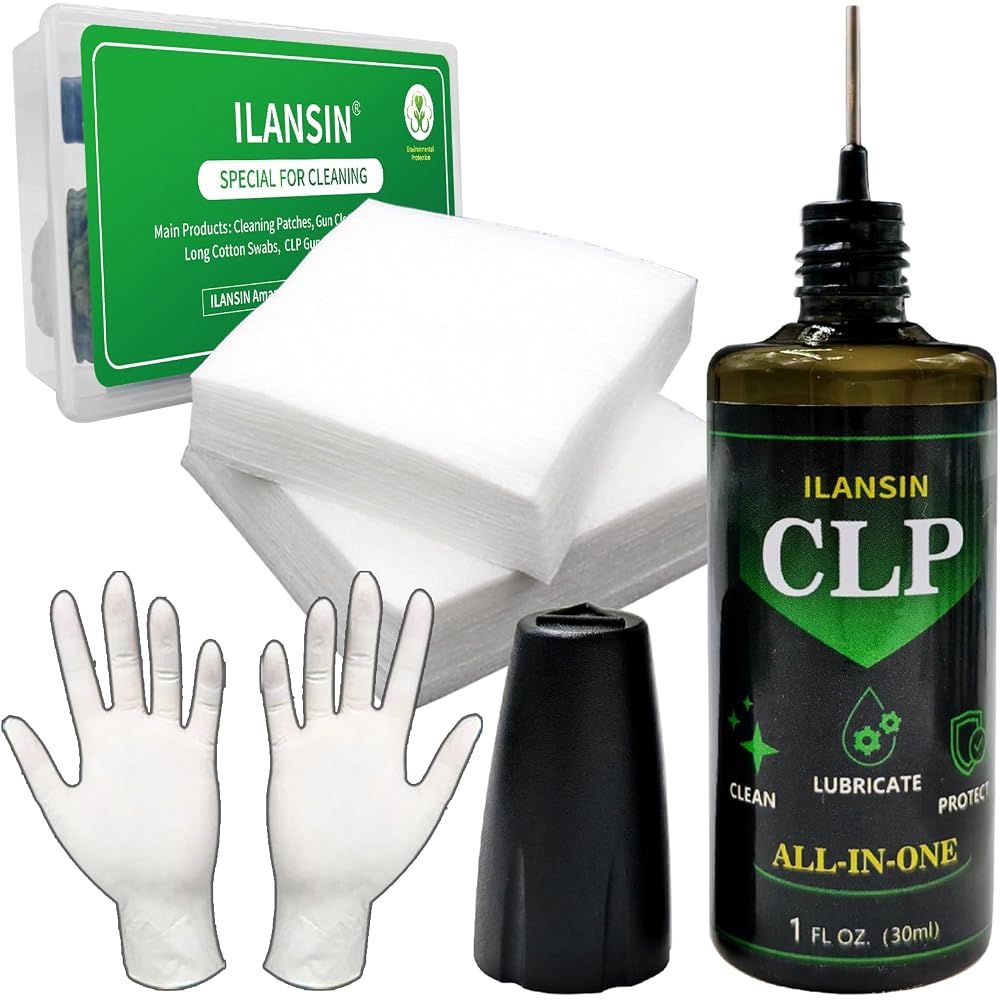
- Applicator quality: needle-tip precision bottles (our 30ml CLP + 1oz needle oiler set is the reference format) put drops where they belong and waste less
- Compliance paperwork: SDS sheets, shipping classification and flash point data ready for your market — ask for these before the first PO
- Packaging ladder: small bottles for trial, 30–60ml for regular use, wipes for the convenience tier (see our 140-count CLP wipes)
The bundle logic that lifts margin
CLP alone is a commodity; CLP attached to a job is a SKU. The pattern that works: chemistry + the tool that applies it. Bottle + needle oiler, CLP + snake for the "quick clean" buyer, CLP wipes + silicone cloth for the storage-and-wipe-down buyer. Each bundle maps to one customer sentence, which is what makes marketplace listings convert.
Private label notes
Liquids are the most regulated part of a gun care line — label language, hazard symbols and shipping class differ by market. ILANSIN handles the export documentation side and supports custom labels and box design; start the conversation at the oils & CLP family page or read how the OEM process runs.
What to check on the SDS before your first PO
A CLP is a chemical product, and the paperwork is what decides whether it can be shipped, stored and insured in your market at all. Before the first purchase order, ask for:
- Safety Data Sheet — current revision, in the language your market requires.
- Flash point — this drives the shipping classification and, above a certain temperature, whether the product can move by air at all.
- Transport classification — UN number, packing group and the correct dangerous-goods declaration for sea versus air freight.
- Shelf life and storage — stated in writing, not verbally.
Suppliers who cannot produce these on request are telling you something. Ours ship with the first quotation, not after it — see the format on our 30ml CLP with needle oiler and 4 oz spray listings.
Needle-tip application: drops where they belong, less waste, fewer returns.
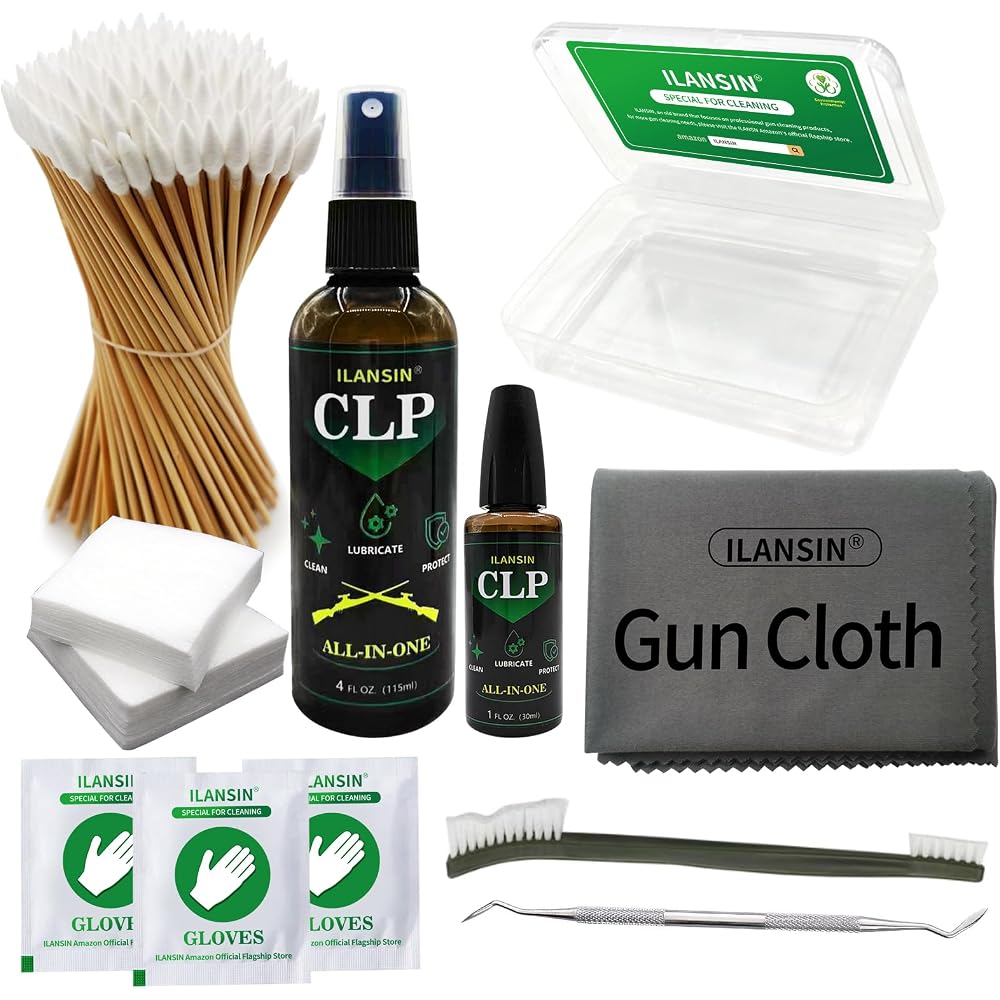
The packaging ladder — trial size for the first sale, bulk size for the repeat.
Where CLP goes, and where it should not
Three practical rules worth putting on your own insert card. Less is more — a thin film protects; a wet part attracts carbon and unburned powder. Keep it out of the bore before firing: patch the bore dry after oiling, because an oiled bore raises chamber pressure and fouls faster. And keep it off optics and primers.
The remaining film belongs on rails, bolt lugs, trigger group contact points and external metal — which is also where a silicone cloth does the final wipe-down, and why the two SKUs sell better together than apart.
Request a Wholesale Quote → Order a Sample on Amazon →
Sources
- Practical SDS and transport classification requirements for solvent-based gun care products.
- Related: How often to clean · Swabs, jags and brushes
Manufacturer guidance is quoted briefly and attributed above; comparisons and recommendations are our own summary as a cleaning-tools manufacturer. Always follow the owner's manual for your specific firearm and the label directions on any solvent. Cleaning chemicals and lead residue require ventilation, gloves and eye protection.
Related: Why CLP Is Replacing Multi-Step Cleaning