
Low MOQ Private Label: Start a Gun Care Line
The usual private label failure is not bad product — it is too much inventory too early. Ten SKUs, one sales channel and no data is how capital gets buried. The sequence below is what we recommend to first-time buyers on the ILANSIN OEM / ODM program.
Phase 1 — validate with stock products (no MOQ risk)
Order our current products as a customer: samples ship through our Amazon store. Test build quality against competitor listings at your target price. Cost: a few hundred dollars. This step tells you more than any factory PDF.
Phase 2 — one hero SKU, packaging-only customization
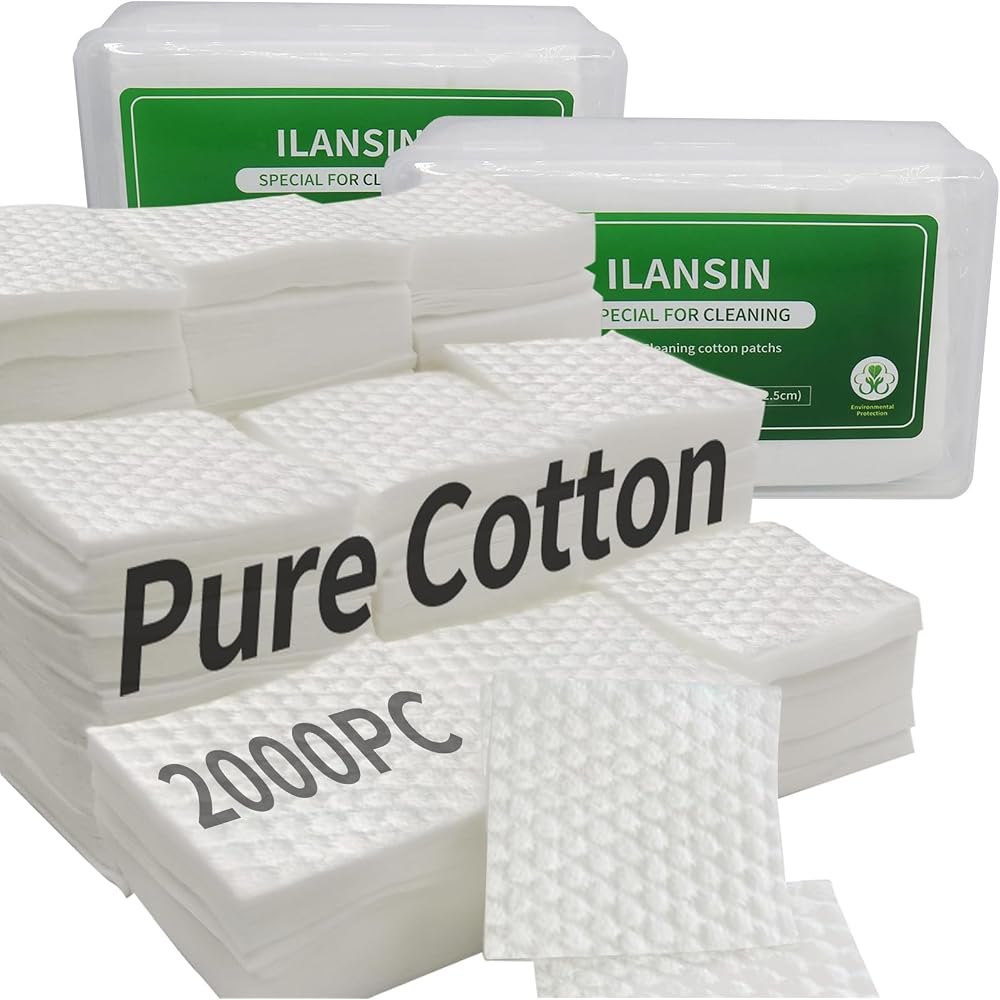
Pick the single SKU your channel data supports — usually a 13PCS jag set or a patch multi-pack — and customize packaging only: your logo, your color box. Packaging-only projects run on existing tooling, keep MOQ in the hundreds of units rather than thousands, and cut lead time to weeks. The selection logic is in our jag guide and patches guide.
Phase 3 — expand on sell-through data
Once the hero SKU proves itself, add depth in the same family before breadth across families. The proven ladder: hero SKU → its consumable companion (patches behind jags, wipes behind CLP) → one kit that bundles the line. Each addition is justified by your own sales data, not by catalog ambition.
What we commit to first-time buyers
- Low MOQ on packaging-customized SKUs, honest quantities — we will tell you when a quantity is below efficient production and what that does to unit cost
- Retained tooling and packaging files so reorder is a one-email process
- A straight answer on which SKUs not to start with
The full mechanics are in From Sample to Mass Production; current product families are on the catalog page.
What MOQ actually depends on
MOQ is not a policy number; it is the point at which a production run becomes economical, and four variables move it:
- Tooling — the largest single factor. Packaging-only customisation on an existing jag set or patch pack uses tooling that already exists, which is why those projects start in the hundreds rather than the thousands.
- Print method — a colour box needs plates; a label or a sleeve often does not.
- Product type — dry goods (jags, patches, cloths, mats) are flexible because they are cut and packed in batches. Liquids have a minimum batch size set by the filling line.
- Component sourcing — a custom case or an unusual bottle has its own supplier minimum, independent of ours.
The practical consequence: if your constraint is capital rather than ambition, start with dry goods and packaging-only customisation. You get a branded product on the shelf with a fraction of the committed inventory, and you learn which SKU deserves tooling later.
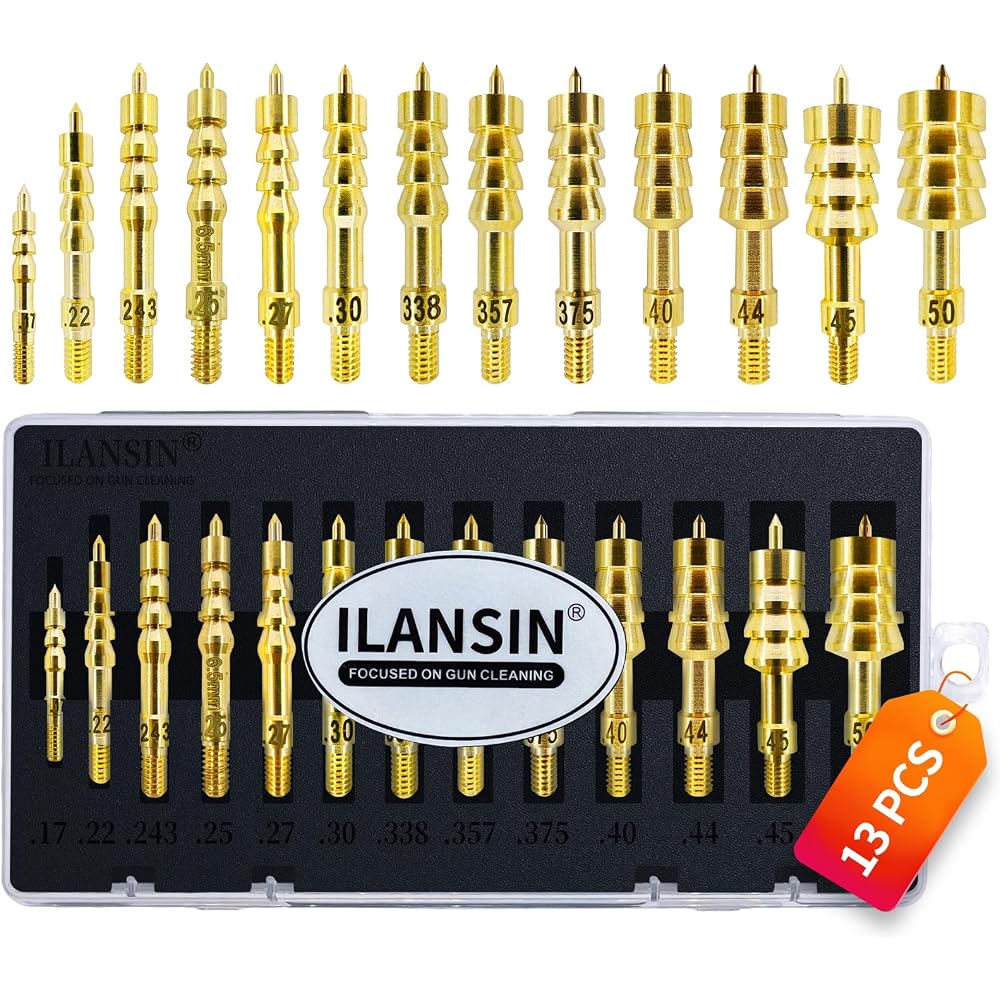
The most common hero SKU: one box, full caliber coverage, packaging-only customisation available.
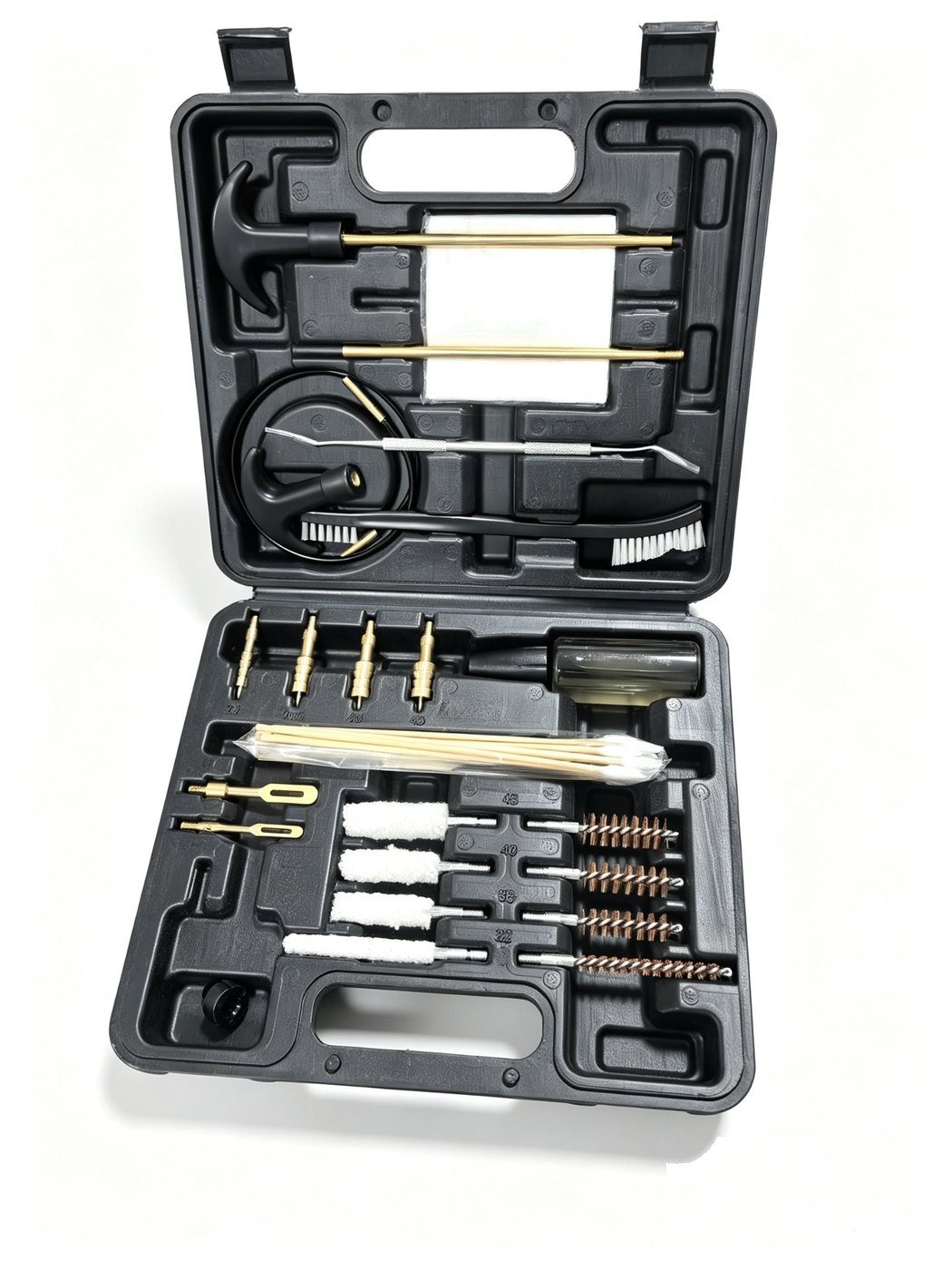
Phase 3 shape: a kit that bundles the family once the hero SKU has proven itself.
A realistic first-year ladder
Months 0–2: validate. Order current products as a customer and judge build quality against your target price point. Months 2–4: one hero SKU with your packaging. Months 4–8: add its consumable companion. Months 8–12: one kit that bundles the line, and revisit tooling with real sell-through data behind you.
Every step is justified by your own numbers rather than by catalog ambition — which is the whole point. The OEM / ODM program and our packaging guide spell out the specs at each stage.
Request a Wholesale Quote → Order a Sample on Amazon →
Sources
- MOQ drivers: tooling amortisation, print method, filling-line minimum batch size.
- Related: OEM process · Packaging guide · Our story since 1980
Manufacturer guidance is quoted briefly and attributed above; comparisons and recommendations are our own summary as a cleaning-tools manufacturer. Always follow the owner's manual for your specific firearm and the label directions on any solvent. Cleaning chemicals and lead residue require ventilation, gloves and eye protection.
Related: Building a Starter Gun Care Catalog