
Retail vs Export Packaging: Gun Care Specs
Buyers often specify the product and leave packaging to the last email — then discover that packaging decided the unit economics. Here is the channel-by-channel breakdown we walk OEM clients through.
Blister / clamshell — the counter channel
Best for single accessories (jags, brushes, small bottles): maximum product visibility, theft resistance, hangs on pegboard. Costs the most per unit in plastic; check whether your market has plastic-reduction rules coming.
Color box — the marketplace and gift channel
For kits and jag sets: full print surfaces for caliber charts, brand story and barcode. This is the default for our cleaning kit family. Spec check: 350gsm+ board, matte lamination for a premium feel, and an insert tray (EVA or corrugated) that actually holds the contents — inserts are where most first-time OEM specs go wrong.
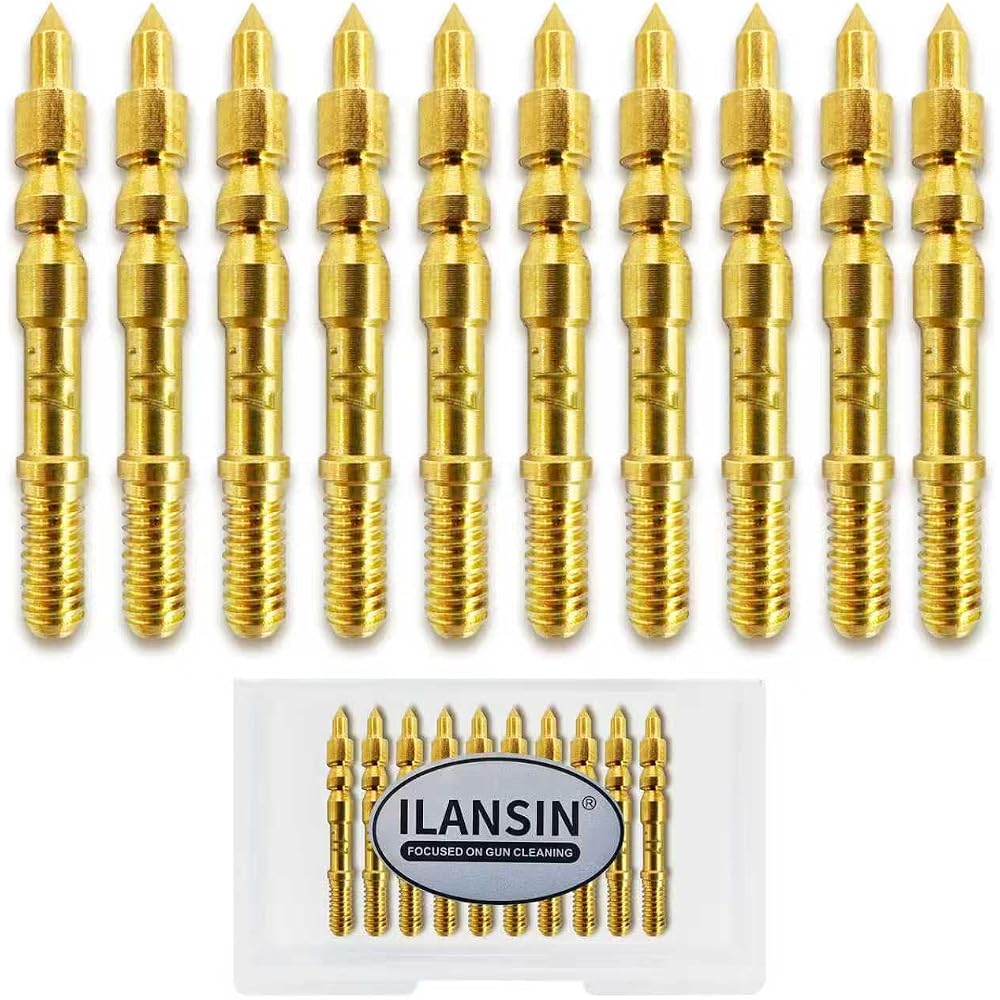
Canister / dispenser — the consumable channel
For patches and wipes: a resealable canister earns shelf space and protects product. Works best when the refill is also sold — see the ladder logic in our patches guide.
Export carton — the invisible spec that matters most
Whatever the retail format, the master carton decides whether goods arrive sellable: carton compression strength for stacking, moisture barrier for sea freight, and pallet configuration agreed before production, not after. A mixed container of color boxes and canisters needs a loading plan — send us the retail formats early and we will match carton sizes.
What to send your supplier
- Channel plan (counter / marketplace / distributor) per SKU
- Barcode and compliance label requirements for your market
- Any retailer-specific packaging rules (e.g., box dimensions for shelf slots)
Packaging-only customization is the fastest OEM track — existing product, your box. Details in the process post or on the OEM / ODM page.
The master carton checklist
Whatever retail format you pick, the master carton is what decides whether goods arrive sellable. Four specs to put in writing:
- Compression strength — rated for the stacking height in your warehouse and in a container, not just for a single pallet.
- Moisture barrier — sea freight is humid; a liner or a moisture absorber is cheap insurance for anything with a printed surface or a steel component.
- Pallet configuration — carton dimensions should make a stable pallet, or you pay for it in damaged corners.
- Drop and vibration testing — ask for the test standard by name.
For consumables, the carton and the retail pack have to be decided together: a storage-case patch pack and a bagged patch refill have very different cubage, and cubage is what you are actually buying when you book a container.
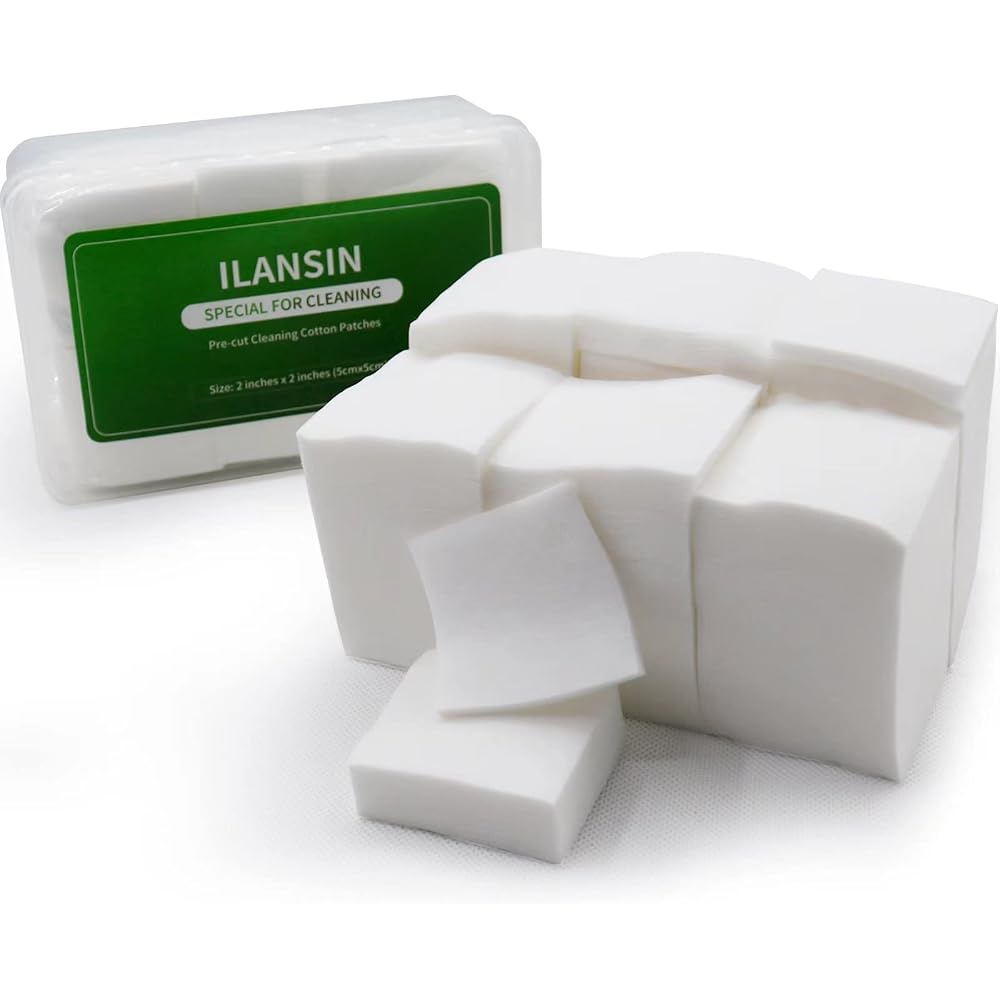
A resealable case protects the product and earns shelf space — and changes the cubage.
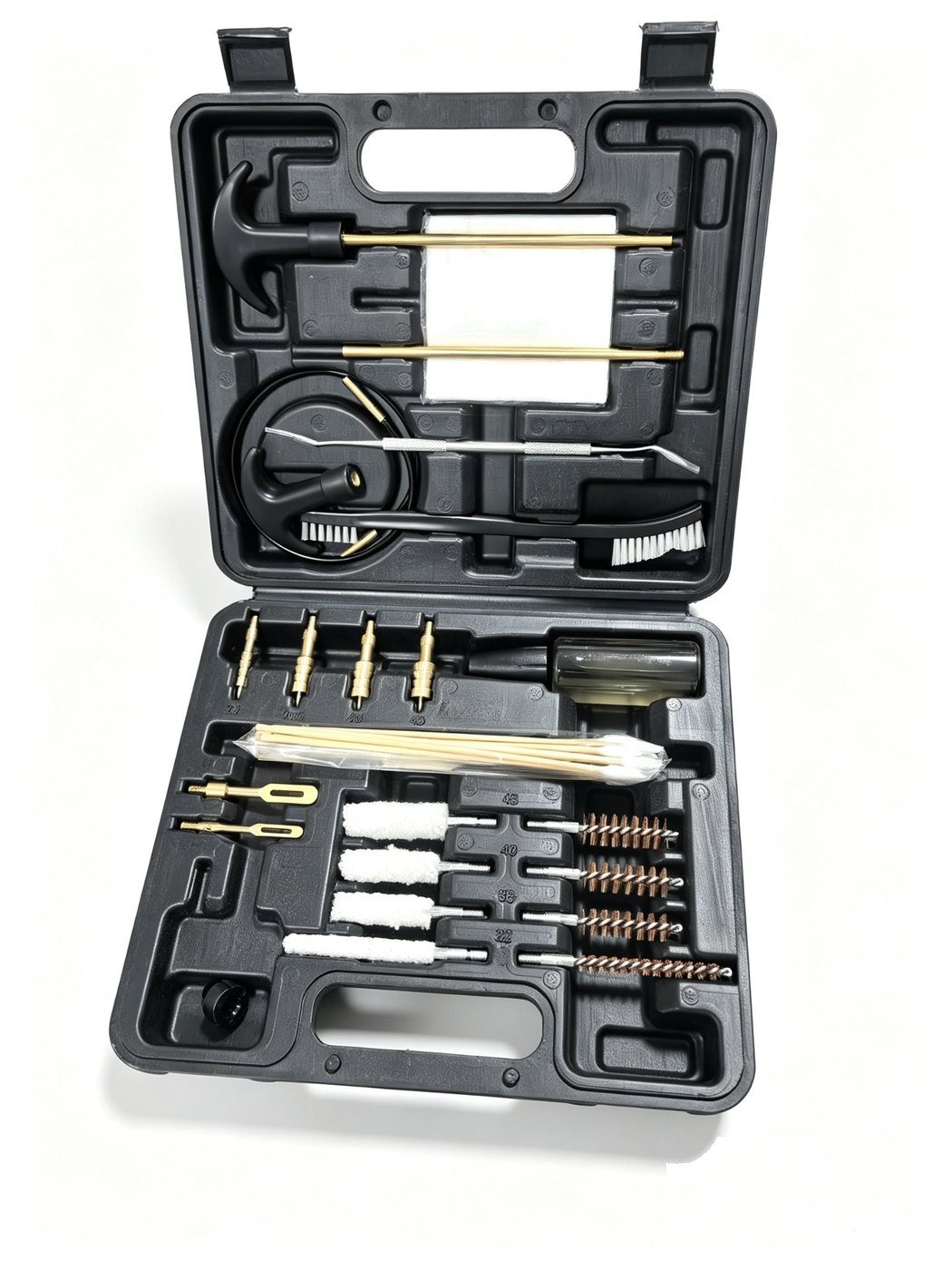
The premium end: insert tray geometry is the spec most first-time OEM briefs get wrong.
Labelling and compliance you cannot retrofit
Three marks are far cheaper to specify now than to add later: country of origin (moulded, printed or stickered — your market will dictate which), barcode (UPC or EAN, supplied or assigned), and, for anything liquid, the hazard labels that go with the SDS classification.
If any part of the shipment is going to an Amazon fulfilment centre, add FBA prep requirements to the same brief — polybagging, suffocation warnings and carton weight limits are packaging decisions, not logistics afterthoughts. Our kits and jag sets ship FBA-ready, and the same spec can be applied to your own labelled run.
Request a Wholesale Quote → Order a Sample on Amazon →
Sources
- Master carton and pallet specification practice for sea freight; FBA prep requirements.
- Related: Low-MOQ private label · OEM process
Manufacturer guidance is quoted briefly and attributed above; comparisons and recommendations are our own summary as a cleaning-tools manufacturer. Always follow the owner's manual for your specific firearm and the label directions on any solvent. Cleaning chemicals and lead residue require ventilation, gloves and eye protection.