
Gun Cleaning Mat Buying Guide: Material, Size and OEM Options
A cleaning mat does two jobs: protects the bench from solvents and scratches, and organizes the work — which is why it photographs so well and converts so strongly in ecommerce listings. For buyers, three decisions define a mat SKU.
1. Base material: rubber vs silicone
Vulcanized rubber base (3mm class) is the standard: non-slip, solvent-resistant, rolls without memory. Silicone surfaces add heat and chemical tolerance and feel premium. Either way the check points are the same: no solvent swelling after 24-hour exposure, edges that do not curl, and a base that grips a wooden bench.
2. Size: fit the firearm, then the bench
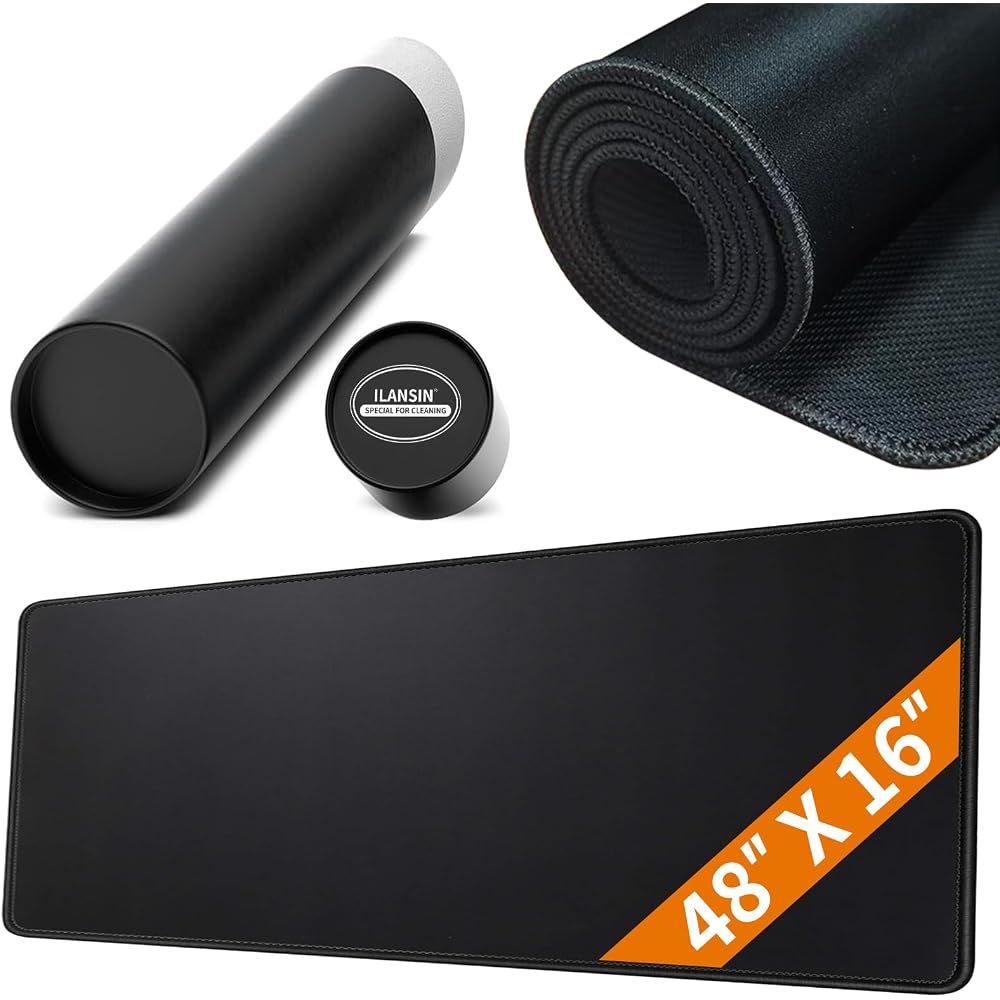
Standard pistol mats around 44 × 28cm cover handgun teardown. The growth segment is oversized rifle mats — our 36" × 16" oversized mat holds a stripped AR with room for parts layout, which reviewers specifically call out. A two-size ladder (standard + oversized) is the simplest retail structure.
3. The surface is the sales pitch
Printed exploded-view diagrams, roll-pins charts and caliber reference tables turn a mat into a tool. Print quality — sharp registration, solvent-proof inks — is where factory quality shows. This is also the strongest OEM surface: your diagrams, your brand, your caliber mix for the target market.
OEM / private label notes
Mats are flat, light and unbreakable — cheap to freight and easy to trial. Options that matter: custom print artwork, thickness (3mm vs 4mm), edge stitching on premium SKUs, and retail-ready polybag vs flat-pack carton. Start with the standard size for volume and the oversized for margin; the cloths & mats family page shows the current range, and this post explains the OEM steps.