
Cleaning a Gun After Rain: Field Care Before Rust
A rifle that shrugged off a full day of drizzle can still come out of its case two days later wearing orange freckles. The rain rarely does the damage on the hill — it does it afterward, when a wet gun is zipped into a foam-lined case or stood in a safe, and the trapped moisture gets a whole night alone with the steel. Water plus oxygen on bare metal is the entire recipe for rust; the routine below simply breaks that pairing early, for two minutes in the field and about ten more at home.
Why moisture outruns everything else
Fouling is ugly but slow. Corrosion needs only a thin film of water and oxygen in contact with steel, and rain delivers both to every crevice at once — then holds them there if the gun is cased. Finish helps, but it is not armor. Ruger's 10/22 manual describes stainless-steel models as "relatively more resistant to corrosion than those of blued steel" — and still instructs owners to clean, lubricate and inspect them frequently, noting that rust can follow exposure to "moisture, salt air or chemicals." The MAX-9 manual makes the same demand of polymer pistols: clean and inspect after exposure to "moisture, humidity, or other adverse conditions." When makers of rust-resistant finishes treat a wet gun as a same-day job, the rest of us should too.
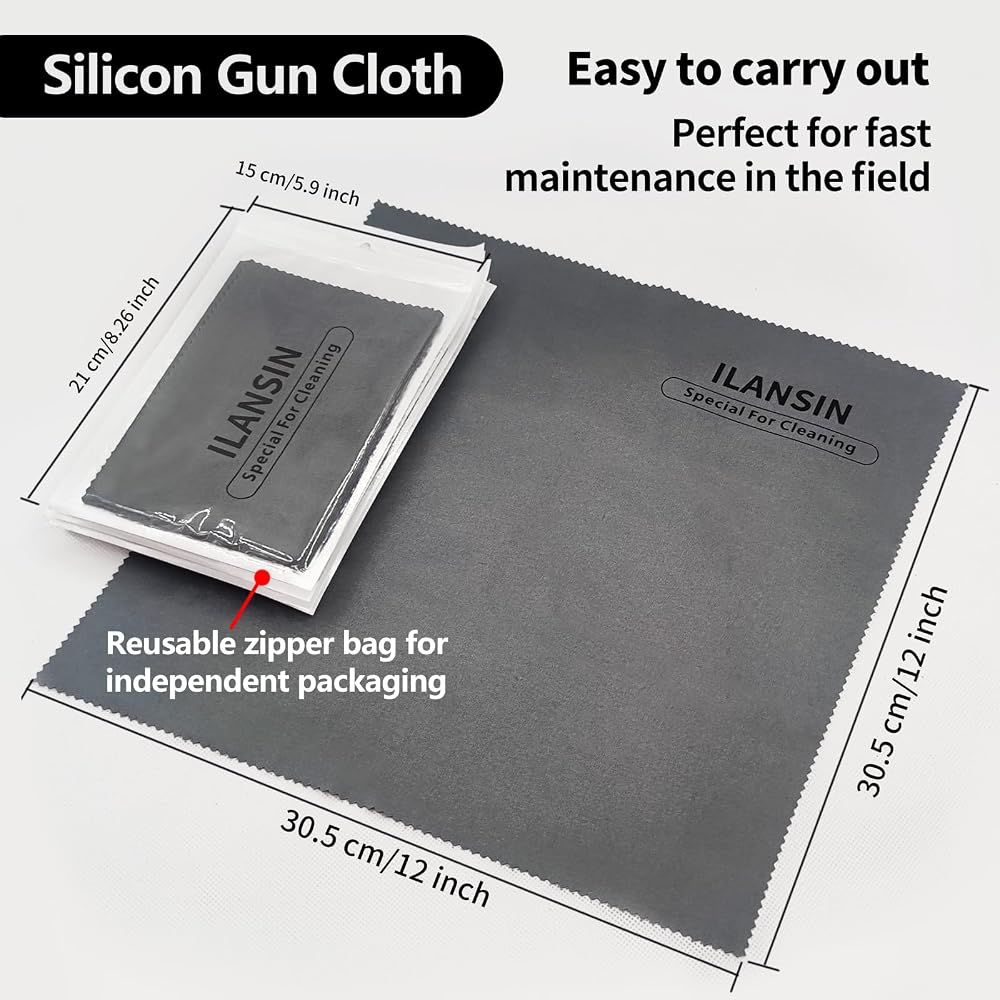
One silicone-treated cloth in the truck displaces surface moisture and leaves a thin protective film in a single pass.
The two-minute field protocol
What you do before packing up decides most of the outcome:
- Wipe before you case. Keep an absorbent cloth where you can reach it and wipe every exposed metal surface — barrel, receiver, scope bases, sling studs — before the gun goes into any case or cover.
- Open the action. Pull the bolt or lock it open so air can move through the receiver. Christensen Arms' wet-weather guidance is blunt about the alternative: "never store a wet rifle" — and never seal a soaked one in a hard case without airflow.
- Drain, muzzle down. Hold the muzzle low for a few seconds so water runs out of the barrel instead of back into the action.
- Resist the bore. Don’t flood a wet bore with oil at camp; keep the outside wiped and the inside dry until you’re home.
The ten-minute home routine
- Field strip and give it air. Remove the bolt or lock the action open so both sides of the receiver can breathe. A sealed soaked gun is a terrarium; an open one starts drying the moment you set it down.
- Blot, don’t rub. Press lint-free patches or a dry cloth onto flat surfaces to lift water. Dragging a sodden cloth grinds grit across the finish.
- Dry the bore and chamber. Run dry patches through until one comes out clean and dry. Water sitting in a chamber overnight is how pitting starts at the throat.
- Apply one thin film, not a bath. Wipe every exterior metal surface with a cloth carrying a light film of gun oil or CLP. Ruger's manual is explicit that "excess accumulations of oil tend to attract particles of dust and dirt and may congeal in cold weather" — protection comes from the film, not the puddle.
- Chase the crevices with a needle. One drop from a needle-oiler bottle into the bolt face, extractor claw, firing-pin channel and magazine well, then wick out the surplus with a swab. Water hides where towels can't reach.
- Leave it uncased until it is truly dry. Stand the gun muzzle-down or on a rack in a dry room for a few hours. Foam holds moisture against the steel all night and undoes the whole routine.
- Wipe your fingerprints off. Skin salts hold moisture against blued steel. A final pass with a silicone-treated cloth removes them and leaves the protective film that carries the gun to the next hunt.

A protected gun needs one thin film — enough to change the sheen of the steel, not enough to pool.
Where water hides longest
The outside of the barrel dries first. Rust that shows up a week later almost always started somewhere air never reached:
- Under scope rings and bases, where trapped water sits against receiver steel.
- The barrel crown and muzzle-device threads — the two spots rust hurts accuracy fastest.
- Bolt body, firing-pin channel, extractor and ejector, all with pockets that hold water.
- Magazine well and inside the magazines themselves; followers and springs rust quietly.
- Under the handguard and along the barrel nut on rifles.
- Action screws, bedding interfaces and the barrel channel on stocked rifles.
- Sling studs, choke tubes and the hinge pins of break-action shotguns.
A swab on a rod and a needle-oiler bottle cover almost every one of these in under a minute each. If you keep only two tools for wet-season maintenance, keep those.
Matching the film to the job
Oil, grease and wax are different tools, and wet weather is where the differences matter. A light oil film, renewed often, is the default for guns in active use. Grease earns its place on bearing surfaces that see water all day — Field & Stream's rust-prevention guide notes that "unlike oil, grease has a thicker consistency and tends to stay where you put it," exactly what bolt lugs and hinge pins need in driving rain. Wax belongs on guns heading into storage, where it fills pores and holds through months of stillness. One boundary never moves: the bore stays dry. Ruger warns that "firing a rifle with oil, grease, or any other material even partially obstructing the bore may result in damage" and serious injury — so last night's protective film gets a dry patch before the first shot.
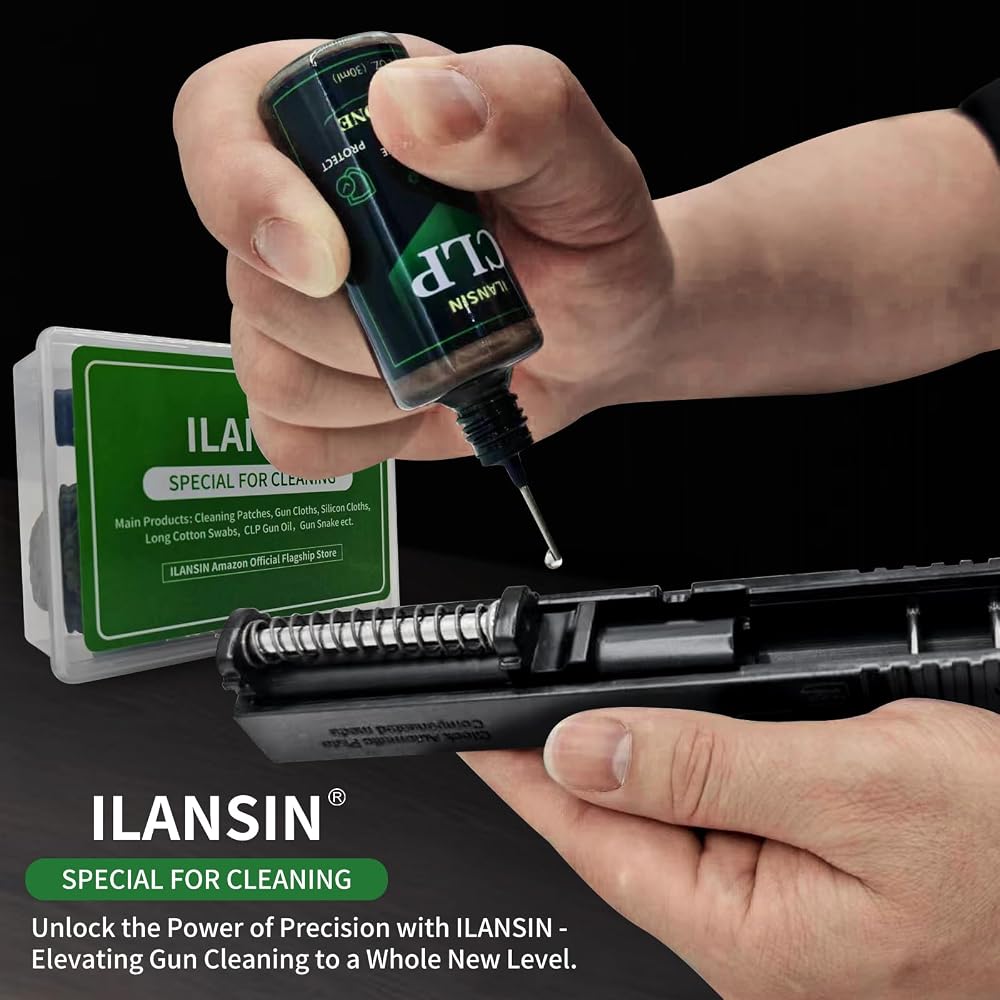
A needle applicator puts a single controlled drop where water hides — bolt face, extractor, firing-pin channel.
Stocking the wet-season routine
For dealers and kit builders, this whole article is three consumables deep: something absorbent, something protective, something that reaches. Bulk lint-free patches do the drying; silicone-treated gun cloths — packed singly for counter sales or in 10-packs for season-long users — handle the wipe-down and the final film; a 1 oz CLP needle-oiler or a 4 oz spray with a 1 oz refill covers crevices and storage prep. In waterfowl, coastal and mountain markets these are the SKUs that sell all season and re-order fastest — pair them with a three-caliber bore snake kit and a wet-weather hunter’s kit is complete. Further reading: gun storage in humid climates, long-term storage without rust and a hunter's field-kit checklist.
Sourcing cloths, CLP or a full wet-weather consumables line?
Everything above is made and packed in our own plant and sold wholesale — private label from 500 pcs per SKU, mixed-SKU cartons for counter displays, and single-unit samples on Amazon if you want to test the fabric and the oil first.
Wholesale & Distribution →OEM / ODM →
Or order a single sample to try the routine yourself.
Sources
- Ruger — Instruction Manual for Ruger 10/22 Autoloading Rifle (stainless corrosion resistance; excess oil congeals in cold; bore-obstruction warning): ruger.com (PDF)
- Ruger — Instruction Manual for Ruger MAX-9 pistol (clean and inspect after exposure to moisture or humidity): ruger.com (PDF)
- Christensen Arms — Rifle Maintenance in Wet Weather (never store a wet rifle; airflow, moisture displacement): christensenarms.com
- Field & Stream — 8 Ways to Keep Your Guns From Getting Rusty (grease stays put in rain; avoid over-oiling): fieldandstream.com
Manufacturer guidance is quoted briefly and attributed above; the routine and stocking notes are our own summary as a cleaning-products manufacturer. Always follow the owner's manual for your specific firearm, and keep the bore free of oil and grease before firing.